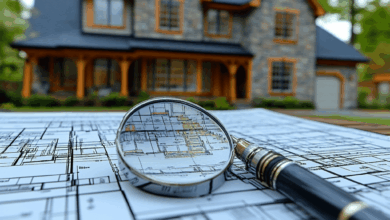
Find Property Owner by Address: When you need to uncover ownership details efficiently, this topic delves into various methods and considerations, offering valuable insights for your property search.
From exploring online tools to navigating legal aspects, this guide covers essential information to help you locate property owners with ease.




Methods to Find Property Owner by Address
Finding the owner of a property by address can be done through various online tools and databases, county assessor websites, public records, and real estate platforms. Below are some methods to help you locate property owners efficiently.
Online Tools and Databases
- Use websites like Zillow, Realtor.com, or Trulia to search for property details by entering the address.
- Online databases such as PropertyShark or BeenVerified can also provide property owner information.
- Some counties have their own online portals where you can search for property records by address.
County Assessor Websites
- Visit the official website of the county assessor’s office where the property is located.
- Look for a search tool or database that allows you to input the property address to find the owner’s information.
- County assessor websites usually provide detailed property records, including ownership details.
Accessing Public Records
- Visit the county clerk’s office or assessor’s office in person to access public records related to the property.
- Public records may include information on property ownership, sales history, and tax records.
- Requesting public records may require a fee or specific forms to be filled out.
Real Estate Websites and Platforms
- Utilize real estate websites like Redfin or Homes.com to search for property owners by entering the address.
- Some real estate platforms offer additional information such as property value estimates and neighborhood details.
- Consider creating an account on these platforms for easier access to property owner information in the future.
Legal Considerations in Finding Property Owners
When searching for property owner details based on an address, it is crucial to consider various legal aspects to ensure compliance with privacy laws and regulations.
Importance of Privacy Laws
Privacy laws are in place to protect individuals’ personal information from unauthorized access or use. When searching for property owner details, it is essential to respect these laws to safeguard individuals’ privacy rights.
- Accessing property owner information through official government records or authorized databases is generally permissible as these sources adhere to privacy regulations.
- Unauthorized access or using deceptive methods to obtain property owner details is illegal and can result in legal consequences.
Legality of Accessing Property Owner Information
When trying to find a property owner’s identity, it is essential to utilize legal and legitimate sources to access this information. Unauthorized means or breaching privacy laws can lead to legal issues.
- Public property records, online property databases, or reaching out to local government offices are legal ways to access property owner information.
- Using private investigators or online platforms that require consent from property owners is also considered legal.
Limitations and Restrictions
There are limitations and restrictions when attempting to find a property owner’s identity, especially concerning privacy laws and regulations. It is crucial to be aware of these restrictions to avoid legal complications.
- Some states have specific laws regarding the disclosure of property owner information, which may limit access to certain details.
- Property owner information may be redacted or restricted in some cases to protect individuals’ privacy rights.
Permissible Scenarios
While there are legal considerations and limitations in finding property owners by address, there are instances where it is permissible and lawful to search for this information.
- Valid reasons such as property inquiries, legal matters, or contacting property owners for legitimate purposes justify searching for property owners by address.
- Real estate transactions, property disputes, or neighborhood concerns might require accessing property owner information for lawful reasons.
Challenges Faced in Finding Property Owners
Finding property owners by address can be a daunting task due to various challenges that one may encounter. Inaccurate or outdated information, missing details, and legal restrictions are some of the obstacles that can make the search process difficult. Overcoming these challenges requires careful consideration and the use of strategic approaches.
Impact of Inaccurate or Outdated Information
Inaccurate or outdated information can significantly hinder the process of finding property owners by address. This can lead to wasted time and resources, as well as frustration for those conducting the search. It is essential to verify the accuracy of the information before proceeding with the search to ensure that the efforts are not in vain.
- Outdated information may result in contacting the wrong property owner, leading to delays in communication and potential misunderstandings.
- Inaccurate details can prevent the successful identification of the actual property owner, causing setbacks in property transactions or legal matters.
- Using outdated information may result in violating privacy laws or regulations, leading to legal implications for the searcher.
Strategies for Overcoming Challenges
To overcome challenges in finding property owners by address, it is crucial to employ effective strategies and techniques. Some approaches include:
- Utilizing online property search databases and public records to verify ownership details.
- Engaging with neighbors or local community members to gather additional information about the property owner.
- Hiring a professional investigator or conducting a title search to access accurate and up-to-date property ownership information.
- Using social media platforms or online networking tools to connect with potential property owners based on the address provided.
Real-life Scenarios
In certain situations, finding property owners by address can be particularly challenging, such as:
- Properties owned by trust funds or corporate entities, where individual ownership details may be obscured.
- Vacant or abandoned properties with no current occupants or contact information available.
- Properties with multiple owners or complex ownership structures, making it difficult to identify a single point of contact.
Ethical Considerations in Property Owner Search
When searching for property owners by address, it is crucial to consider the ethical implications of this process. Respecting the privacy of property owners and ensuring that the search is conducted in a responsible manner are key ethical considerations to keep in mind.
Importance of Respecting Property Owner Privacy
Respecting the privacy of property owners is essential to maintain trust and uphold ethical standards. Property ownership information is sensitive and should be handled with care to avoid any misuse or invasion of privacy.
Examples of Ethical Practices
- Obtaining consent before conducting a search on a property owner.
- Using reliable and legitimate sources to gather information.
- Ensuring that the information obtained is used for lawful purposes only.
- Keeping all property owner information confidential and secure.
Different Ethical Approaches
| Approach | Description |
|---|---|
| Consent-based Approach | Seeking explicit permission from property owners before conducting any search. |
| Transparency Approach | Being transparent about the search process and the purpose of obtaining property owner information. |
| Legal Compliance Approach | Ensuring that all searches are conducted in accordance with relevant laws and regulations. |
Tools and Technologies for Property Owner Lookup
Finding property owners by address has been made much easier in recent years thanks to advancements in technology. There are various online tools and services available that can help streamline the process of identifying property owners based on their address. Let’s explore some of the key tools and technologies used for property owner lookup.
Online Property Owner Lookup Tools
- One popular tool for property owner lookup is Spokeo, which provides detailed information about property owners, including their contact details and property history.
- Another widely used service is BeenVerified, which offers a comprehensive database of property owner information, allowing users to search by address and access public records.
- Zillow is also a valuable resource for property owner lookup, as it provides property details, ownership information, and even estimated property values.
Step-by-Step Guide to Using Property Owner Lookup Services
- Choose a reliable property owner lookup service such as Spokeo or BeenVerified.
- Enter the address of the property you are interested in obtaining owner information for.
- Review the search results to find the relevant property owner details, including name, contact information, and property history.
- Verify the accuracy of the information by cross-referencing it with official records or other sources if needed.
Leveraging Geolocation and Mapping Tools
Using geolocation and mapping tools can also be beneficial in identifying property owners. Platforms like Google Maps or GIS (Geographic Information System) software can help visualize property boundaries, locate owners’ addresses, and even provide additional information about the surrounding area.
Importance of Accurate Property Owner Information
Accurate property owner information plays a crucial role in various aspects of real estate transactions, property management, and maintenance. Having up-to-date details about property owners ensures smooth operations and prevents potential issues that may arise from relying on outdated information.
Impact on Real Estate Transactions
Accurate property owner information is essential in real estate transactions to establish legal ownership of the property. Without accurate details, transactions such as sales, leases, or transfers may be delayed or even cancelled, leading to financial losses and legal complications.
- Verification of ownership during property sale or purchase
- Ensuring proper transfer of title deeds
- Avoiding legal disputes over ownership rights
Role in Property Management and Maintenance
Property owner data is vital for effective property management and maintenance. It allows property managers to communicate with owners regarding repairs, upgrades, or tenant issues. Without accurate information, property maintenance can be delayed, affecting the property’s condition and value.
- Timely communication with property owners for maintenance requests
- Ensuring compliance with property regulations and standards
- Facilitating owner-tenant interactions for smooth operations
Consequences of Relying on Outdated Information
Relying on outdated property owner information can lead to various negative consequences, including misunderstandings, legal issues, and financial losses. For example, sending important notices to the wrong owner or failing to reach the actual owner can result in missed opportunities or costly mistakes.
- Missed communication leading to unresolved property issues
- Inaccurate financial transactions due to incorrect ownership details
- Potential legal liabilities for not following proper ownership protocols
Verification Process for Property Owner Details
When it comes to verifying property owner information, it is crucial to ensure accuracy and authenticity. By following best practices and cross-referencing multiple sources, you can confirm the details you have obtained. Here are some key points to consider during the verification process:
Importance of Cross-Referencing
- Always cross-reference the property owner details obtained from different sources to validate the information.
- Verify the consistency of the information across various platforms to ensure accuracy.
- By cross-referencing, you can identify discrepancies or inconsistencies that may indicate incorrect data.
Red Flags to Watch Out For
- Be cautious of conflicting information or sudden changes in property owner details.
- Watch out for unusual discrepancies in the property ownership history or records.
- If the property owner information seems too good to be true or raises suspicion, further verification is necessary.
Validating Information Through Official Channels
- Check property records with the local assessor’s office or property tax department to verify ownership details.
- Consult official property documents or public records to confirm the accuracy of the information.
- Official channels provide a reliable source for validating property owner information and ensuring its legitimacy.
Implications of Incorrectly Identifying Property Owners
When trying to find property owners by address, incorrectly identifying the owner can have serious implications, including legal consequences and risks associated with relying on inaccurate information. It is essential to minimize errors in this process to avoid complications.
Potential Legal Consequences
Incorrectly identifying a property owner can lead to legal issues such as trespassing or wrongful eviction. For example, if someone mistakenly believes they have permission to access a property based on faulty owner information, they could face legal action for trespassing.
Risks of Relying on Inaccurate Information
Relying on inaccurate property owner information can result in wasted time and resources. For instance, sending important documents or notifications to the wrong owner can lead to delays in communication or legal proceedings.
Real-World Examples
In one case, a construction company mistakenly started work on a property based on incorrect owner information, leading to a legal dispute and financial losses. Another example involves a real estate agent listing a property without verifying the owner, causing confusion and delays in the sales process.
Tips for Minimizing Errors
To minimize errors when identifying property owners, it is crucial to cross-reference information from multiple sources, such as public records, databases, and official documents. Verifying details with the local assessor’s office or conducting a physical inspection of the property can also help ensure accuracy.
Strategies for Contacting Property Owners
Effective communication with property owners is crucial once their information has been found. It is important to approach them professionally and respectfully to establish a positive interaction. Here are some strategies for contacting property owners:
Crafting Professional Messages
When reaching out to property owners, it is essential to craft professional and respectful messages. Clearly state the purpose of your communication and provide all relevant information upfront. Use formal language and address the property owner with respect. Avoid using informal language or making assumptions in your messages.
- Include your contact information in the message for easy response.
- Express appreciation for their time and consideration.
- Be concise and to the point in your communication.
- Avoid using aggressive or demanding language.
Establishing Communication Etiquette
Maintaining proper communication etiquette is key when contacting property owners. Always be polite, patient, and understanding in your interactions. Respect their privacy and be mindful of their time. Remember that you are initiating contact with them, so it is important to create a positive impression.
- Wait for an appropriate time to contact them, avoiding late hours or weekends.
- Use a professional tone and formal language in all communications.
- Acknowledge any responses promptly and professionally.
- Respect their decision if they choose not to engage in further communication.
Successful Interactions with Property Owners
Examples of successful interactions with property owners involve establishing a respectful and professional relationship. By following proper communication etiquette and crafting professional messages, you can increase the likelihood of a positive response from property owners. Successful interactions may lead to valuable information exchange and potential opportunities for collaboration.
Remember, effective communication is key when contacting property owners. Approach them with professionalism, respect, and courtesy to establish a positive interaction.
Future Trends in Property Owner Identification
As technology continues to advance, the process of finding property owners by address is likely to undergo significant changes. Emerging technologies are poised to revolutionize the way we identify property owners, making the process more efficient and accurate.
Impact of Data Analytics and Artificial Intelligence
The integration of data analytics and artificial intelligence (AI) is expected to have a profound impact on property owner searches. These technologies can analyze vast amounts of data quickly and efficiently, helping to identify property owners with greater speed and accuracy. By leveraging AI algorithms, property owner identification can be streamlined, reducing the margin for error and increasing the chances of obtaining accurate information.
Challenges and Opportunities
With advancements in technology come both challenges and opportunities in property owner identification. One challenge may be ensuring the privacy and security of property owner data, as more sophisticated tools are used to access this information. However, the opportunities lie in the ability to uncover hidden ownership patterns, track property ownership changes in real-time, and improve the overall efficiency of property owner searches.
Innovative Approaches
In the future, innovative approaches to property owner identification may become mainstream. For example, blockchain technology could be used to create a secure and transparent database of property ownership records, reducing the risk of fraud and providing a reliable source of information. Additionally, the use of drones for property surveys and data collection could revolutionize the way property owner information is obtained, offering a more comprehensive and accurate view of ownership details.
Final Conclusion
Concluding our discussion on finding property owners by address, we have explored key strategies, challenges, and ethical considerations in the property search process. Armed with this knowledge, you can navigate the intricacies of property ownership identification with confidence.

Storyteller and digital explorer covering the latest updates in business and lifestyle.